
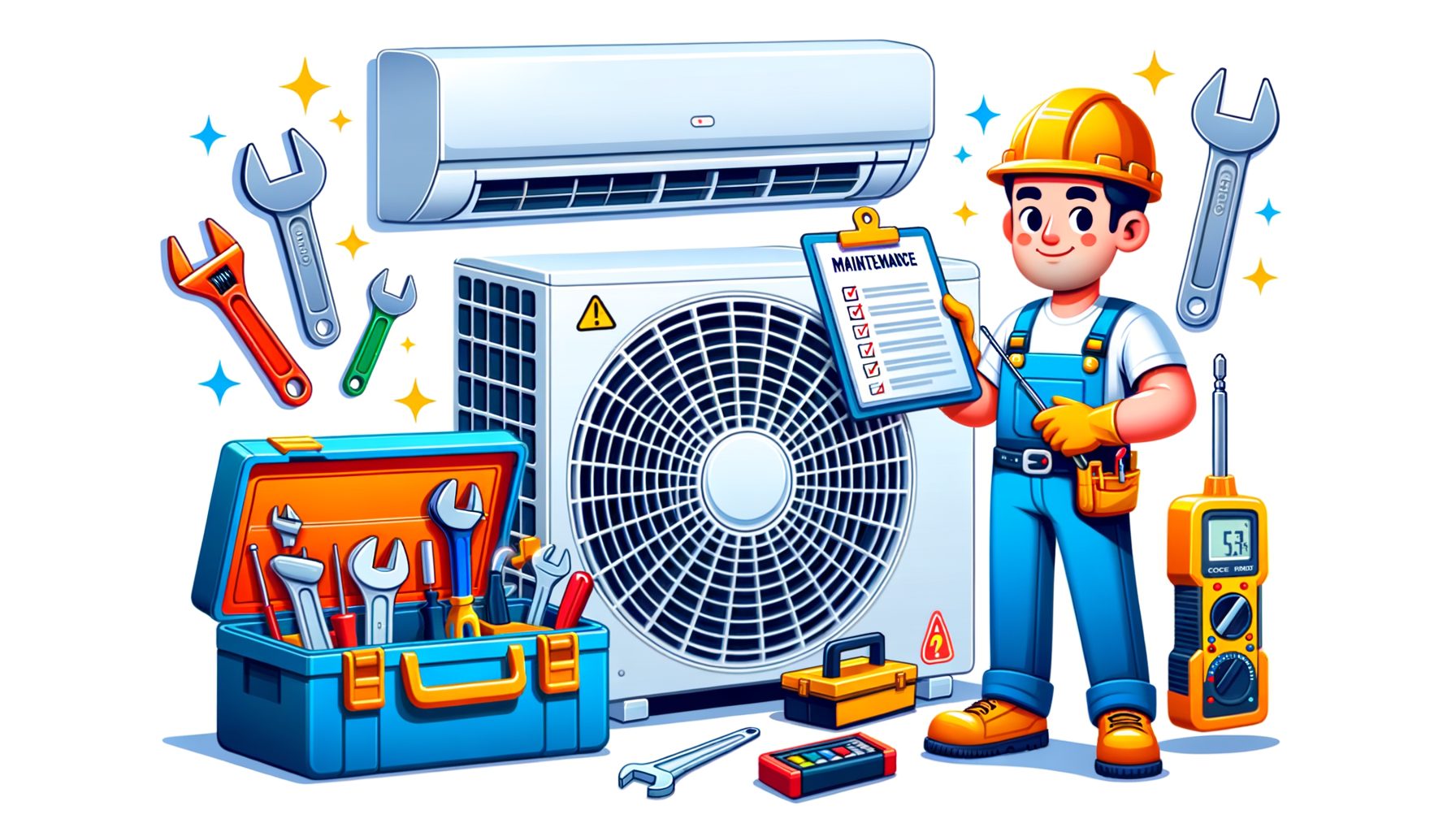
Wondering how often to service your air conditioner? You’re not alone. It’s one of those home or office tasks that feels easy to delay—until your AC blows warm air on a 35°C day or your energy bill jumps for no clear reason. Here’s a straightforward guide to service frequency and why it matters, laid out in clear, practical steps you can actually use. You’ll learn the ideal schedule for different climates and usage, what a proper service should include, what you can safely do yourself, and the warning signs that mean you shouldn’t wait.
Why Service Frequency Matters: Costs, Comfort, and Air Quality
Air conditioners work hardest precisely when you need them most. Over time, dust, humidity, and daily runtime chip away at efficiency and reliability—even when a system appears “fine.” With regular service, a unit sips power; without it, the same unit guzzles. According to the U.S. Department of Energy, proper maintenance can boost performance and trim energy use by 5–15%—a meaningful cut you’ll notice over a long, hot season. If you’re paying by the kilowatt-hour (as most of the world does), small percentage gains add up quickly. Across multiple summers, maintenance often costs less than the extra energy a neglected system consumes.
Comfort belongs on the short list of reasons to stay on a maintenance rhythm. A clean, tuned system cools faster, holds steady temperatures, and pulls humidity more effectively. Result: fewer hot spots, less clammy air, and shorter, quieter cooling cycles. Noticed your AC running longer but delivering less? You’ve likely felt the price of skipped service. In home assessments I’ve participated in for an efficiency program in a humid region, clogged filters and dirty coils repeatedly showed up as the top causes of weak airflow and humidity complaints—issues preventable with simple routine care.
Air quality matters too. Your AC doesn’t just cool; it also filters particles and, in many systems, lowers indoor humidity that would otherwise encourage mold growth. When filters are neglected, dust can bypass into coils and ducts; when condensate drains are partly blocked, moisture issues and odors may follow. The U.S. Environmental Protection Agency notes that indoor air quality depends on proper ventilation and filtration, and your AC system plays a central role. With consistent maintenance, allergens are reduced, healthier humidity is maintained, and a cleaner indoor environment is supported for everyone—from babies and pets to older adults and those with allergies.
How Often to Service Your Air Conditioner in Real Life
Well, here it is: most air conditioners benefit from professional service once a year for cooling-only units, and twice a year for heat pumps that handle both heating and cooling. Your ideal cadence, however, depends on usage, local climate, and unit type (central AC, ductless mini-split, or window/portable AC). Think of this as a baseline plan you tailor to your lifestyle and environment.
Use these guidelines to fine-tune your schedule:
– Central AC in moderate climates (cool winters, warm summers): professional tune-up every 12 months, ideally before the cooling season. Change or wash filters every 1–3 months during use. Clean around the outdoor unit quarterly.
– Heat pumps (heating and cooling in one): professional service every 6 months—once before summer, once before winter. Filter changes more frequently in dusty or high-use homes.
– Ductless mini-splits: professional service every 12 months for light to moderate use; every 6–9 months in humid or dusty settings. Clean or wash indoor unit filters monthly during heavy use. Wipe the coil cover and check drain lines quarterly.
– Window or portable units: deep clean before each season (or every 6–12 months). Wash or replace filters monthly in peak season. Vacuum coils and check seals around the unit twice per season.
– High-pollution, dusty, or coastal areas: expect more frequent cleaning. Salt air, construction dust, and pollen can coat coils and block filters. Then this: add one extra mid-season check, and gently rinse outdoor coils with water (power off) as needed.
– Households with pets, allergies, or heavy daily use: change filters more often (every 30–45 days). Consider upgrading to a higher-efficiency filter your system can handle without restricting airflow.
Manufacturers often specify service schedules in the manual, and warranties may require proof of regular maintenance to remain valid. Following the recommended cadence protects both your comfort and your coverage. If your system is under warranty, keep receipts and a digital log of service dates and what was done.
What’s interesting too: here’s a quick data snapshot to help you decide:
| Scenario | Recommended Pro Service | Filter Change | Potential Energy Savings* |
|---|---|---|---|
| Central AC, moderate climate | Every 12 months | Every 1–3 months | 5–15% |
| Heat pump (year-round) | Every 6 months | Every 1–2 months | 5–15% |
| Ductless mini-split, humid/dusty | Every 6–9 months | Monthly during use | 5–15% |
| Window/portable AC | Every 6–12 months | Monthly during use | Up to 10–15% with clean filters |
*Savings are typical ranges cited by energy agencies; actual results vary by condition and usage. For guidance, see the U.S. Department of Energy’s Energy Saver resources: https://www.energy.gov/energysaver/central-air-conditioning
What a Professional Service Includes—and What You Can DIY
Not all “tune-ups” are created equal. A quality professional service is thorough, measurable, and safety-focused. If a tech spends five minutes and leaves, that’s not a tune-up. Ask for a checklist and results. A solid visit usually includes: checking and adjusting refrigerant charge per manufacturer specifications; cleaning evaporator and condenser coils; testing capacitor, contactor, and electrical connections; measuring supply/return temperatures and static pressure (for ducted systems); inspecting blower motor and belt; clearing and treating the condensate drain; verifying thermostat calibration; inspecting ductwork and outdoor clearances; and reviewing filter type and airflow. For heat pumps, reversing valve and defrost cycle checks are added.
Refrigerant level matters because both undercharge and overcharge harm efficiency and can shorten compressor life. When coils are cleaned with the right methods, heat exchange is restored. Electrical checks help catch early failures that would otherwise cause a no-cool call on the hottest afternoon. Drains and pans kept free of slime prevent leaks and moldy smells. Data-driven pros often record before/after measurements (like temperature split and static pressure) so you can see improvement and they can spot duct issues that waste energy.
DIY maintenance keeps your system happy between pro visits, provided safety and manufacturer guidance come first. Turn off power at the disconnect before opening panels. High-value DIY habits include: changing or washing filters regularly; keeping at least 60 cm of clear space around the outdoor unit; gently rinsing outdoor coil fins with water (never high-pressure spraying); checking that air vents and returns are unblocked; and pouring a small amount of diluted vinegar into the condensate drain access (if available) a few times per season to discourage algae. For ductless mini-splits, open the indoor cover and wash the mesh filters monthly during heavy use; some models have secondary filters you can replace as needed.
What you should not DIY: handling refrigerant, opening sealed electrical compartments, adjusting charge, or deep coil cleaning with chemicals without training. Specialized tools, safety gear, and proper environmental handling are required for those tasks. In many countries, refrigerant handling is regulated. A smart split of responsibilities—DIY basics plus an annual or semiannual professional tune-up—delivers the best balance of cost, performance, and safety.
For more on quality maintenance practices, see the Air Conditioning Contractors of America (ACCA) guidance: https://www.acca.org/standards/quality-maintenance and ENERGY STAR’s maintenance tips: https://www.energystar.gov/campaign/heating_cooling/maintenance
Signs You Need Immediate Service Between Scheduled Visits
Even with a good routine, systems sometimes send up a flare that something’s wrong. Catching issues early often turns a major repair into a simple fix. Call a pro promptly if you notice any of the following:
– Warm air or weak airflow. If vents blow lukewarm air or airflow drops sharply, you may have a clogged filter, frozen coil, low refrigerant, or a failing blower motor. First, check the filter. If the problem persists, schedule service.
– Short cycling. The system turns on and off in rapid bursts without reaching the set temperature. Causes range from oversized equipment and thermostat placement to low refrigerant or electrical faults. Short cycling wastes energy and stresses components.
– Ice on the refrigerant lines or indoor coil. Ice usually means restricted airflow (dirty filter, blocked return) or refrigerant problems. Turn the system off to let it thaw, switch to fan-only to help melt ice, replace the filter if needed, and call a technician.
– Strange noises or smells. Grinding, screeching, or rattling can signal motor or fan issues. A musty smell points to mold or a clogged drain; a sharp, chemical-like odor should be treated as urgent. For any burning smell, switch off power immediately.
– Water leaks around the indoor unit. Condensate should drain away cleanly. Puddles indicate a blocked drain or pan problem that can lead to water damage and poor air quality.
– Sudden spikes in energy use. If your energy app shows unusual consumption without a heatwave or change in settings, your AC may be working harder due to a failing part, dirty coils, or low refrigerant.
– Humidity problems. If your home feels sticky even with the AC running, you may have incorrect fan settings, dirty coils, or a sizing/control issue. High indoor humidity can affect health and comfort; don’t ignore it.
Remember, the safest immediate step is to power down the system at the breaker if you see ice, smell burning, or hear alarming noises. Then book a qualified pro. For general indoor air quality guidance, the EPA’s overview is helpful: https://www.epa.gov/indoor-air-quality-iaq
FAQs: Your Top Questions Answered
How often should I service my air conditioner if I barely use it? Even with light use, schedule a professional tune-up once a year for central AC or mini-splits, and twice a year for heat pumps. Infrequent use can still allow dust buildup, dry out seals, and hide slow leaks that show up right when you need cooling most.
Do new, high-efficiency or inverter systems need less maintenance? They still need regular care. Inverter systems are efficient because they modulate speed, but they rely on clean coils, correct charge, and healthy electronics to deliver that efficiency. Skipping service can erase performance gains and risk expensive component failures.
Will skipping maintenance void my warranty? Many manufacturers require proof of routine maintenance to honor warranty claims. Keep digital copies of invoices and a log of filter changes. For general warranty principles, see the U.S. Federal Trade Commission’s guidance: https://www.ftc.gov/business-guidance/resources/businesspersons-guide-federal-warranty-law Check your unit’s specific warranty booklet for maintenance requirements.
Can regular maintenance really lower my electricity bill? Yes. Clean filters, correct refrigerant charge, and clean coils reduce runtime and improve heat transfer. Government energy agencies commonly cite 5–15% savings with proper maintenance, though actual results depend on climate, unit condition, and thermostat habits.
What’s the cheapest routine step with the biggest impact? Replacing or washing filters on time. It’s fast, inexpensive, improves airflow immediately, and helps keep the rest of the system clean. Pair this with keeping the outdoor unit clear of leaves and debris, and you’ve done the highest-value DIY tasks.
Conclusion: Set Your Maintenance Rhythm Today
If you remember one thing from this guide, make it this: a simple, predictable schedule beats crisis repairs every time. Most homeowners and renters can follow a straightforward plan—filters every 1–3 months, a professional tune-up once a year for cooling-only systems or twice a year for heat pumps, and quick visual checks of drains, coils, and clearances. Kept on that cadence, your air conditioner stays efficient, lasts longer, and preserves comfort when heat and humidity peak.
We covered why service frequency matters, how to tailor your schedule to climate and usage, what a professional service should include, the DIY tasks that deliver the most value, and the warning signs that mean “don’t wait.” Add one more layer: documentation. Keep a note on your phone with dates, filter sizes, and your preferred technician’s contact. Set seasonal reminders—spring for pre-summer tuning, mid-season for a filter check, and autumn for heat pump checks. These tiny habits compound into lower bills, fewer emergency calls, better air quality, and calmer summers.
Your next step is simple. Pick a date on your calendar before the heat arrives and book a professional tune-up. Then buy 2–4 replacement filters that fit your system and store them near your return grille so you’ll actually swap them on time. If you’re in a harsh climate or run your system daily, plan for one extra mid-season check. For tips and checklists, explore Energy Saver: https://www.energy.gov/energysaver/central-air-conditioning and ENERGY STAR guidance: https://www.energystar.gov/campaign/heating_cooling/maintenance
Small moves now prevent big headaches later. Your future self, cool and comfortable on the hottest day of the year, will thank you. Ready to choose your service date and set your reminders today? You’ve got this—one smart step at a time.
Sources:
– U.S. Department of Energy, Energy Saver—Central Air Conditioning: https://www.energy.gov/energysaver/central-air-conditioning
– ENERGY STAR—HVAC Maintenance: https://www.energystar.gov/campaign/heating_cooling/maintenance
– ACCA—Quality Maintenance: https://www.acca.org/standards/quality-maintenance
– U.S. EPA—Indoor Air Quality: https://www.epa.gov/indoor-air-quality-iaq
– U.S. FTC—Warranty Law Overview: https://www.ftc.gov/business-guidance/resources/businesspersons-guide-federal-warranty-law